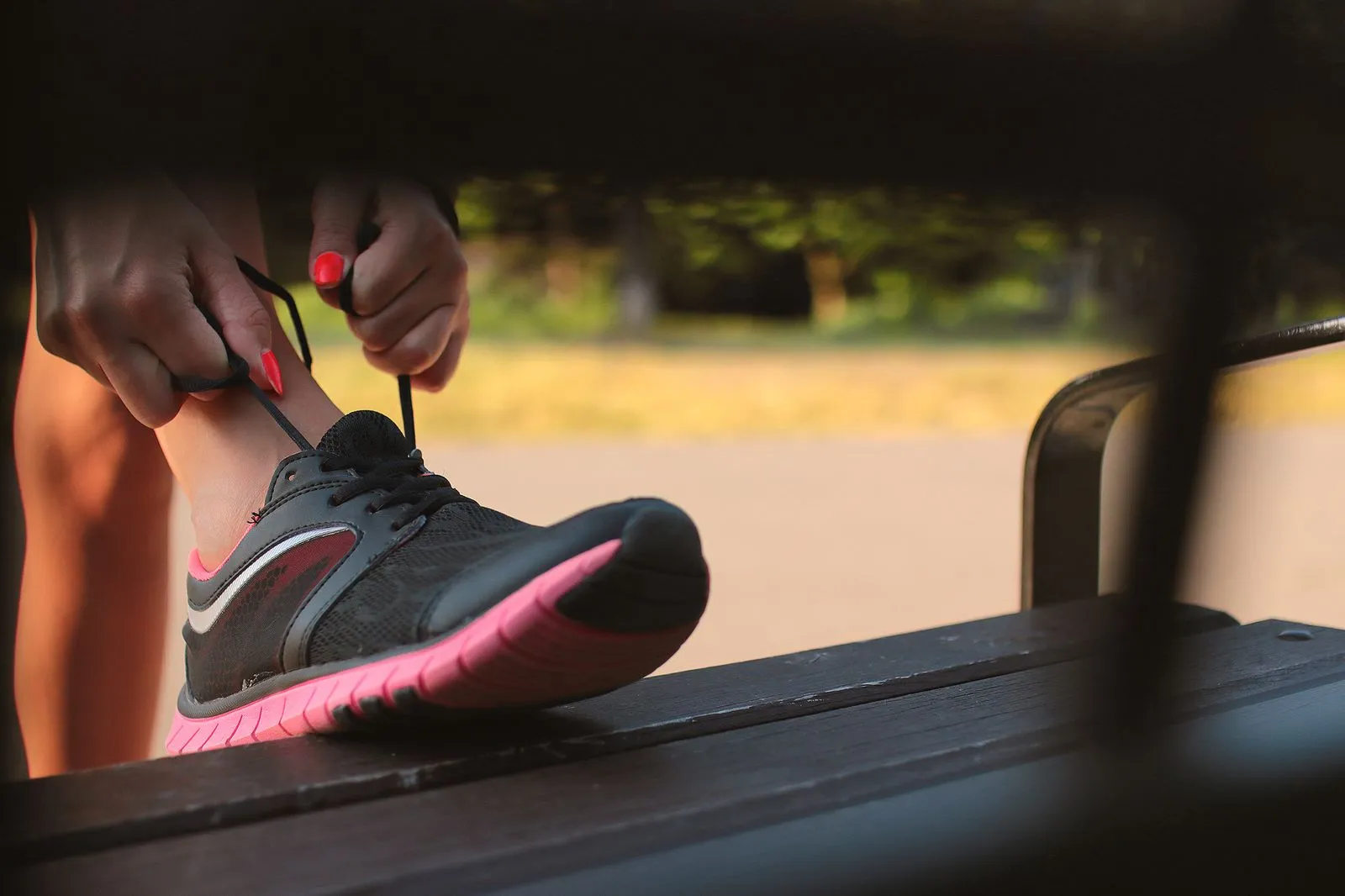
Custom orthotics can change how a shoe fits, so choosing your usual size alone may not be enough. The shoe needs room for the orthotic without squeezing your foot or making your heel slip. Focus on interior depth, a removable insole, and a secure fit with the orthotic in place. Bring your orthotics and the shoes or socks you use most often. A careful try-on helps you assess comfort before you commit.
Check the Shoe’s Interior Depth
An orthotic takes up space inside the shoe. Look for enough depth above the foot, especially over the top of your toes and across the ball of your foot. If the upper presses down, your toes feel crowded, or the shoe leaves red marks, the shoe may not have enough room, even if its length seems correct.
Try both shoes while standing, since feet can spread slightly when they bear weight. Walk a few steps and notice whether your toes can move freely and your heel stays in place. Avoid sizing up automatically to create more room; extra length can cause slipping. A deeper style or a different shape may fit better.
Look for a Removable Insole
A removable insole lets you place your custom orthotic inside the shoe without stacking it on top of the shoe’s original footbed. Remove the insole and check that the orthotic sits flat, reaches into the heel area, and does not buckle or rock. If it is too wide or long for the shoe, the combination may not provide a stable fit.
Some orthotics are designed to replace the shoe’s insole, while others may be used differently. Follow the instructions from your orthotic provider rather than trimming or altering the device on your own. If the shoe’s insole will not come out, ask whether the shoe can accommodate your particular orthotic before wearing it for an extended period.
Bring the Right Items to Try-On
Bring both orthotics, even if one foot feels more comfortable than the other. Also bring the socks you expect to wear with the shoes; thickness can change the fit. If you use a brace or another device with your footwear, bring it too, so you can check how everything works together.
Wear or bring your current everyday shoes if they help you explain where you feel rubbing, pressure, or slipping. Try shoes later in the day if your feet tend to swell, and allow time to walk indoors. Test the pair with your orthotics installed, not just with the store insoles, before deciding whether the fit feels right.
Assess Comfort and Stability
With the orthotics in place, fasten the shoes as you normally would. Check that your heel feels held without pinching, your toes have room, and the shoe does not press the orthotic into your arch. Walk, turn, and stand for several minutes. Notice any sliding, rubbing, or pressure that increases as you move.
A shoe may feel unfamiliar when paired with a new orthotic, but sharp pain, persistent pressure, or numbness should not be ignored. Do not assume that a painful fit will improve with wear. Ask your orthotic provider or a knowledgeable footwear fitter to review the combination, especially if your orthotic shifts or the shoe cannot close comfortably.
The best fit gives your orthotic a stable, level place to sit while leaving enough depth for your foot and toes. Bring the orthotics and your usual socks, then walk in the shoes before making a choice. For help comparing suitable styles, visit Desert Step Footwear and arrange a fitting.